
Smart Irrigation for Reliable Water Delivery
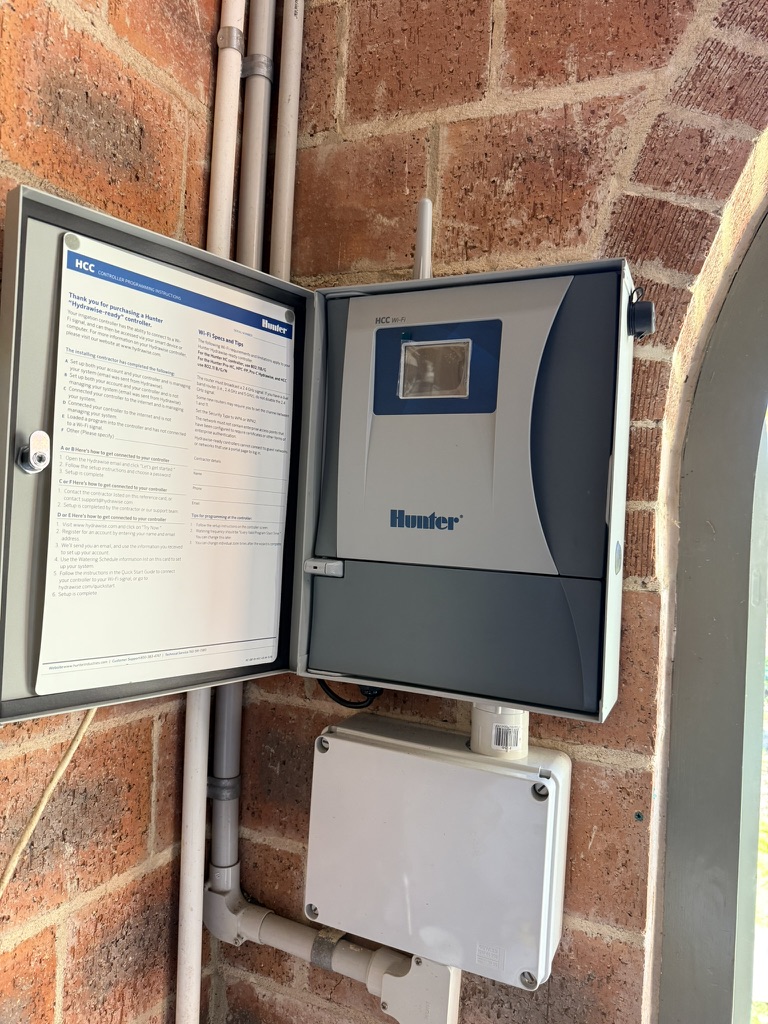
Smart irrigation can make watering easier to manage, but reliable results depend on the whole system. A new controller cannot repair a leaking valve, restore a damaged cable or correct poor sprinkler coverage.
At Smit Irrigation, we focus on irrigation performance: inspect and test the existing system, explain repair priorities, complete approved work, then test and document the result. That approach helps homeowners, strata representatives and commercial property managers make informed decisions before investing in an upgrade.
What smart irrigation can improve
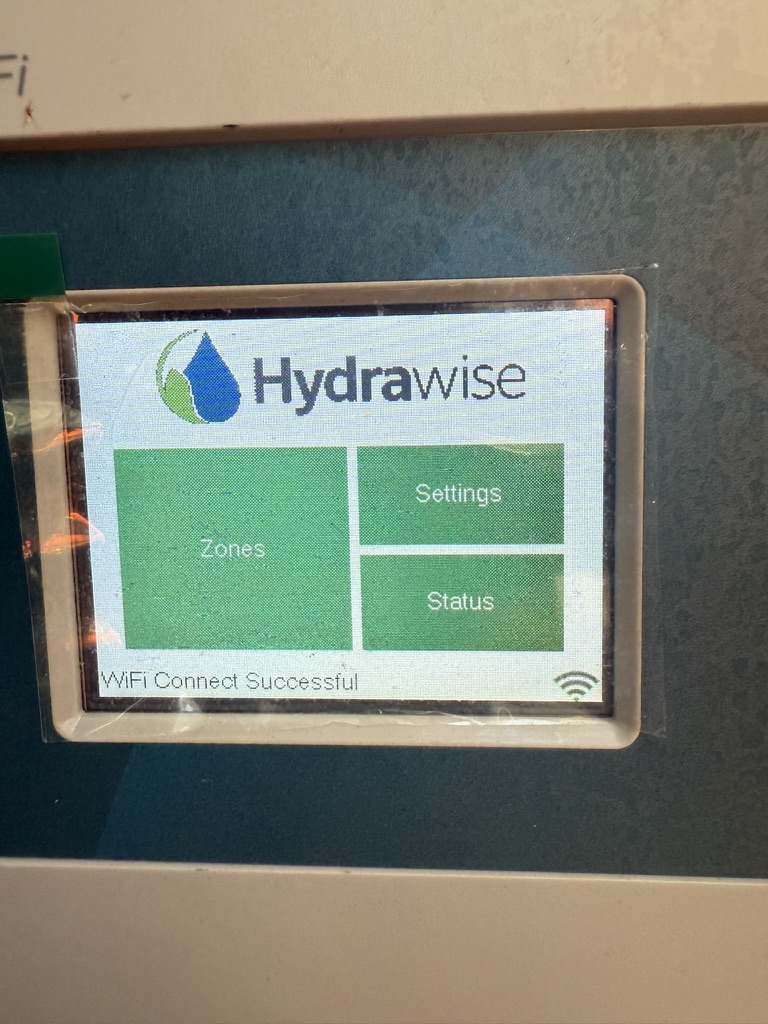
Smart irrigation adds more flexible control over when and how long each zone waters. Depending on the controller, it may offer remote access, seasonal adjustments and watering changes based on weather information.
For example, Hunter's Hydrawise software supports weather-based schedule adjustments. Sensor and flow-monitoring functions depend on compatible equipment and correct setup; they are not standard features of every irrigation system.
The practical aim is to match watering to the property. Lawn sprinklers and garden drip irrigation need different settings. Sun exposure, planting, soil conditions and the way each zone delivers water also matter.
Smart control can help manage those differences. It still needs a working system behind it, and it does not guarantee a particular saving or landscape outcome.
Check the system before replacing the controller
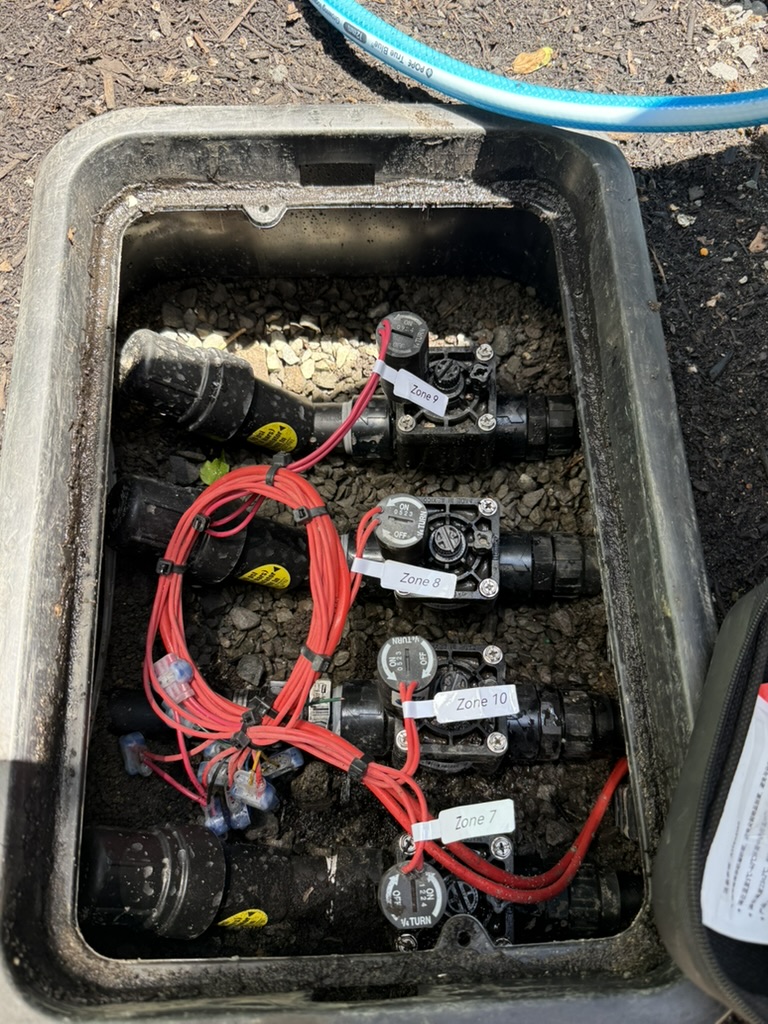
An irrigation zone that fails to start is not automatically a controller problem. The fault may involve field wiring, a cable connection, a valve solenoid or the valve itself. Likewise, a zone that switches on but waters unevenly may have a pressure, leak, sprayhead or dripline problem.
Replacing equipment without establishing the cause can leave the original fault unresolved. Before recommending an upgrade, we assess the parts relevant to the symptoms and explain what needs attention.
An irrigation audit can provide a broader picture of the system's condition and repair priorities. Depending on the site and agreed scope, checks may include controller operation, individual zones, valves, manifolds, wiring, visible leaks, sprinkler coverage and dripline performance.
Where an electrical fault needs further investigation, wire fault detection may help identify problems along the controller-to-valve cable path. Testing and repair work should be handled by an appropriately qualified specialist.
When a controller upgrade is worthwhile
A controller upgrade may suit a system with unreliable outputs, limited scheduling options or insufficient capacity for the property's zones. Remote access may also be useful where the controller is difficult to reach or several people manage irrigation.
The choice should follow the assessment. We consider the existing valves and wiring, station requirements, compatible sensors, connectivity and how the owner or manager will use the system.
A straightforward controller may be suitable for one property; another may benefit from more flexible scheduling or monitoring. The objective is equipment that suits the site and can be maintained and operated consistently.
Water delivery still determines coverage
Good programming cannot correct every problem at ground level. Damaged or obstructed sprayheads, unsuitable nozzle arrangements, leaking pipework and pressure faults can affect where water lands. Dripline can also be damaged, blocked or delivering water unevenly.
These issues need assessment alongside the controls. Extending run times to compensate for a dry patch may increase watering elsewhere without addressing the cause.
Our repair and performance work can include sprayhead replacement or adjustment, dripline repair, valve and manifold repairs, wiring fault finding and controller work. Recommendations depend on what the inspection establishes and the scope you approve.
Set up, test and keep useful records
Once approved repairs and upgrades are complete, the irrigation should be checked under operating conditions. That means checking the relevant zones at the valve and watering area, rather than relying only on a controller display.
Programming should reflect the watering method and site conditions. Compatible sensors and weather settings also need appropriate setup and periodic review. Seasonal changes, planting growth and alterations to the garden can affect what each zone needs.
For strata and commercial properties, clear zone names, accessible valve locations and documented controller settings help future maintenance. Records should distinguish confirmed findings, completed work and any outstanding recommendations.
A practical approach to irrigation performance
Smit Irrigation's process is straightforward:
- Inspect and test the existing system to establish the problem.
- Explain priorities and recommend practical repairs or upgrades.
- Agree the scope so you approve the work before it begins.
- Test and document the completed work and flag anything outstanding.
This keeps the focus on the property's irrigation needs. Smart technology is useful when it supports reliable operation, sensible watering and clear management.
Arrange an irrigation assessment
If your system has recurring zone faults, leaks, uneven watering or an ageing controller, Smit Irrigation can help assess what needs attention before you invest in new equipment.
We provide irrigation repairs, fault finding, audits, performance upgrades, installations and ongoing maintenance for residential, commercial and strata properties across Sydney's Northern Beaches and surrounding areas, including North Sydney and the Eastern Suburbs.
Contact Bazil @ Smit Irrigation or call 0415 150 052 to discuss your system and arrange an assessment.
Smit Irrigation — Specialists in Irrigation Performance.